Top 10 Places to Visit in Salalah, Oman
Salalah feels completely different from what many travellers expect to find on the Arabian Peninsula. During the Khareef season the mountains turn green, waterfalls begin to flow, mist covers the landscape and the temperature drops noticeably below the rest of the region.
Located in Oman’s southern Dhofar Governorate, Salalah combines tropical-looking scenery, dramatic coastline, historic frankincense sites and quiet mountain villages. It is also a short flight from Dubai, which makes it one of the most unusual seasonal escapes from the UAE — and a genuine change of scene from the hidden gems closer to home.
I travelled across Salalah and the surrounding Dhofar region to see its green valleys, waterfalls, beaches and mountain roads first-hand. If you are planning a first visit, these are ten of the best places to visit in Salalah, Oman.
Important: many attractions described as being “in Salalah” are spread across the wider Dhofar region and need a rental car, a driver or an organised tour.
1. Wadi Darbat
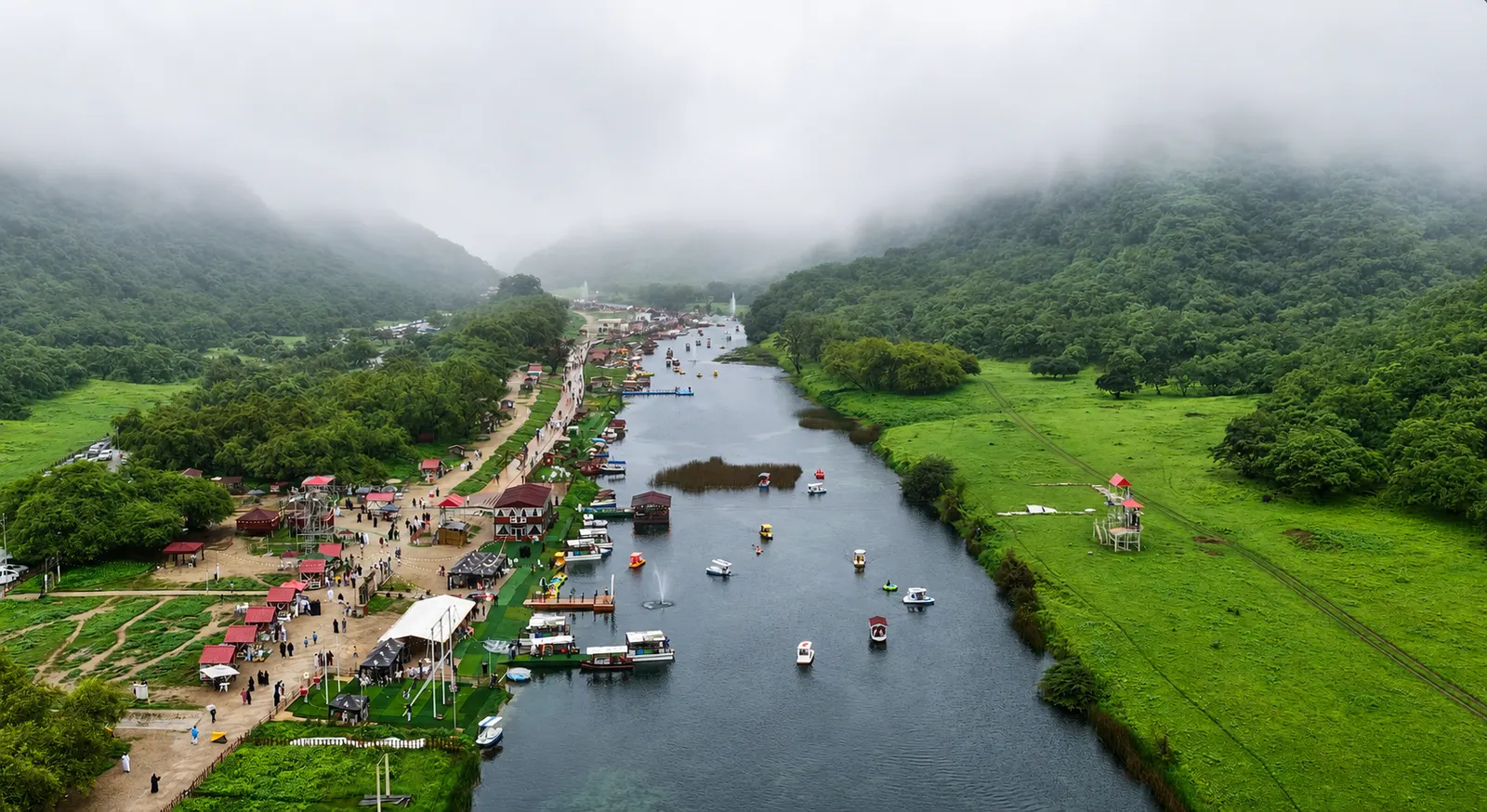
Wadi Darbat is one of the most famous natural attractions in Salalah and an essential stop during Khareef. The wadi is ringed by green hills, walking areas and seasonal waterfalls, and during the monsoon the mist and light rain transform the whole valley.
Depending on the season and water levels, small boat trips are sometimes available on the lake. Wadi Darbat gets extremely busy at weekends and on public holidays, so an early morning visit is a completely different experience from an afternoon one.
- Best for: green landscapes, waterfalls, picnics and family trips
- Best time: early morning during Khareef
- Location: near Taqah, east of Salalah
- Travel tip: wear shoes you do not mind getting wet and muddy.
2. Al Mughsail Beach and Marneef Cave
Al Mughsail is the most dramatic stretch of coast in Dhofar: a long beach framed by mountains and limestone cliffs, with heavy surf coming in off the Arabian Sea.
Marneef Cave and the Mughsail blowholes sit at the western end. When the sea is running, pressure forces seawater and air up through openings in the rock and fires it above the viewing platform. The blowholes are most active when the sea is rough — and that is exactly when to stay behind the barriers.
- Best for: coastal views, photography and sunsets
- Location: west of Salalah
- Travel tip: never cross the safety barriers or stand close to the water when the waves are strong.
3. Ayn Razat
Ayn Razat is one of the prettiest springs around Salalah — flowing water, limestone formations, gardens and mountains behind. It is at its best during Khareef, when everything around it greens up and the air cools, and it works well as a short stop on an east Salalah road trip. The cave formations nearby are worth the few extra minutes.
- Best for: springs, gardens and easy walking
- Location: east of Salalah
- Travel tip: check current access and opening conditions before you drive out.
4. Ayn Athum and Ayn Tobruk
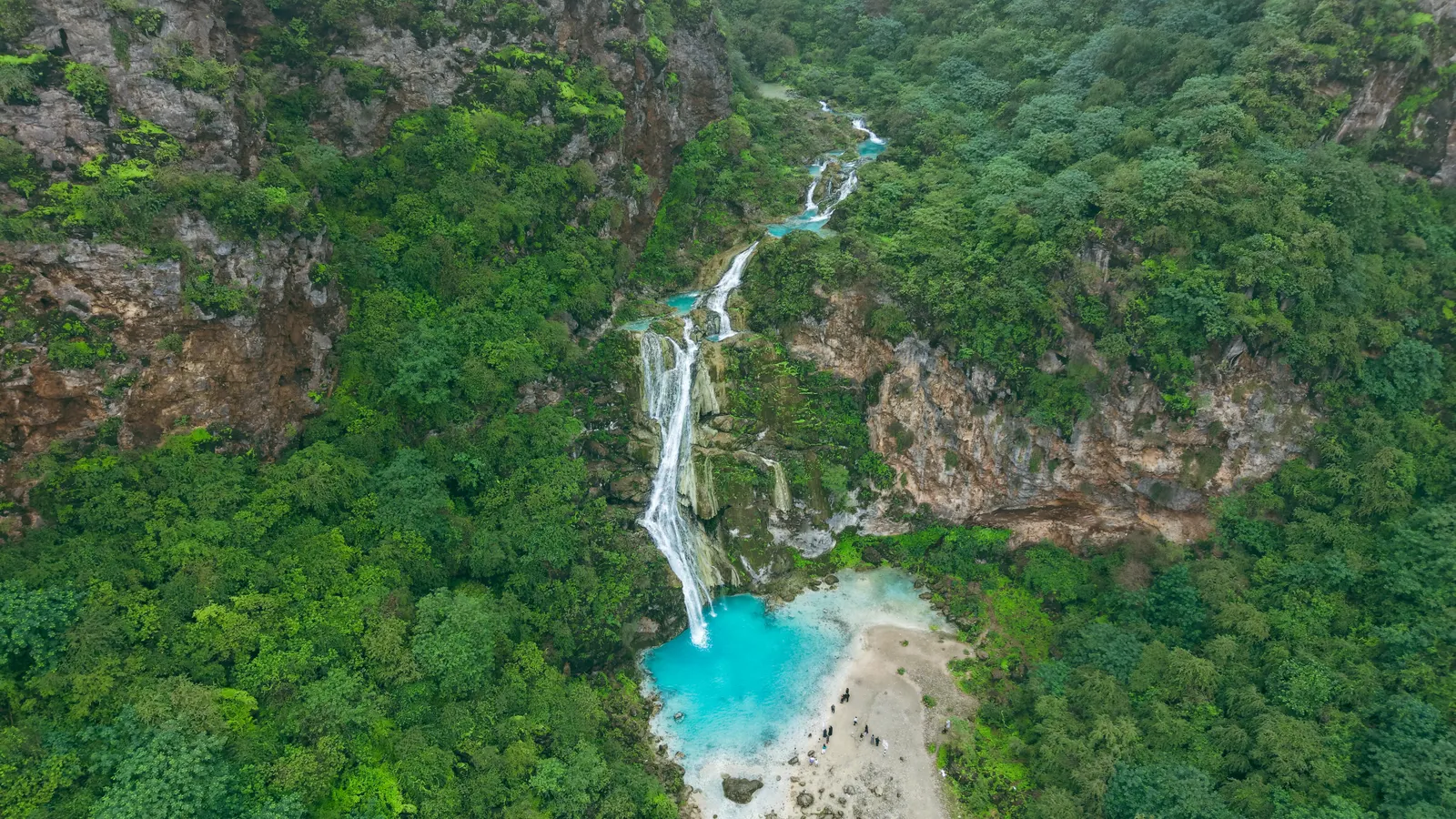
Ayn Athum and Ayn Tobruk are two seasonal waterfall areas east of Salalah. In a strong Khareef, water comes down the cliffs and the scenery looks nothing like the rest of the peninsula. Flow depends entirely on recent rainfall, so what you find can change from one week to the next.
The ground is often slippery and uneven. Wear proper footwear, and do not walk directly beneath loose rock faces.
- Best for: seasonal waterfalls and Khareef scenery
- Location: east of Salalah
- Travel tip: ask locally about recent conditions first — these waterfalls are seasonal, not permanent.
5. Shaat Viewpoint
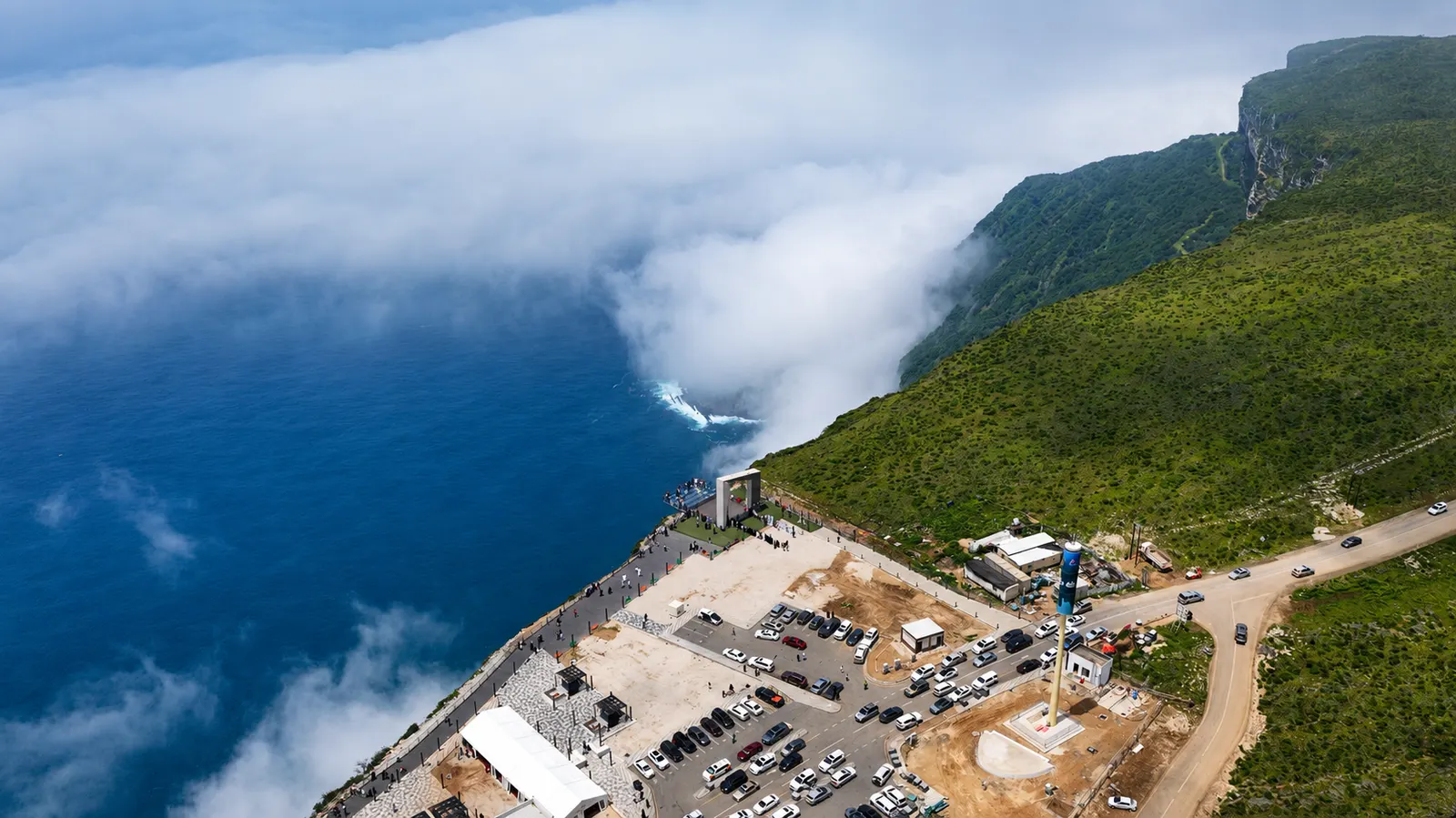
Shaat gives you the most dramatic mountain-and-coast panorama in Dhofar. The road climbs into the mountains west of Salalah and then opens onto steep cliffs above the Arabian Sea. During Khareef the cloud moves fast across the viewpoint and visibility can change completely within minutes.
On a clear day the contrast between the green mountains and the blue coastline is extraordinary. In heavy fog, slow down and put your lights on.
- Best for: mountain views, road trips and landscape photography
- Location: western Dhofar
- Travel tip: check the weather before committing to the drive.
6. Sumhuram Archaeological Park and Khor Rori
Sumhuram looks down over Khor Rori and holds the remains of a fortified settlement tied to the ancient frankincense trade. It forms part of Oman’s UNESCO-listed Land of Frankincense, and its position by the water shows how Dhofar plugged into historic maritime trade routes.
This is the stop for anyone who wants to understand the region beyond its seasonal green.
- Best for: history, archaeology and culture
- Location: near Taqah and Wadi Darbat
- Travel tip: outside Khareef, go in the morning or late afternoon — there is very little shade.
7. Al Baleed Archaeological Park and the Museum of the Frankincense Land
Al Baleed is the other major component of the Land of Frankincense listing: the remains of a port settlement that mattered to regional trade for centuries. The Museum of the Frankincense Land next to it fills in the maritime history, the archaeology and why frankincense shaped this coast.
Ruins outside and a museum inside make it a good choice on a hot day or a wet one.
- Best for: history, museums and context
- Location: Salalah
- Travel tip: leave enough time for both — people routinely underestimate the museum.
8. Haffa Souq
Haffa Souq is the best place in Salalah to meet the region’s frankincense trade directly. The shops sell different grades of frankincense along with burners, perfumes, clothing and souvenirs, and the smell of it burning is half the experience.
Prices vary a lot. Walk the whole souq first, and ask about the origin and grade before you buy.
- Best for: souvenirs, frankincense and local atmosphere
- Location: central Salalah
- Travel tip: late afternoon and evening are when it comes alive.
9. Taqah and Taqah Castle
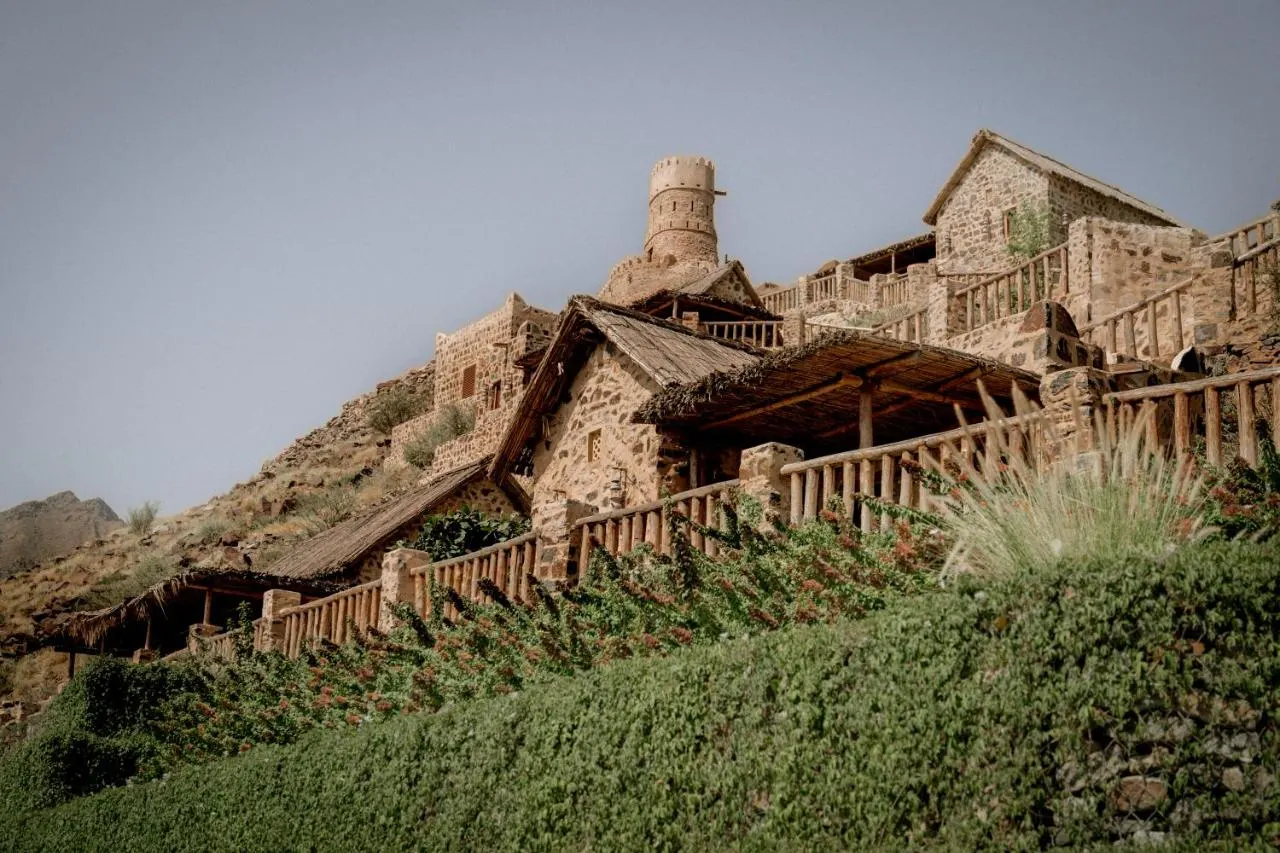
Taqah is a coastal town east of Salalah that pairs naturally with Wadi Darbat, Khor Rori and Sumhuram. Taqah Castle is a good introduction to traditional Dhofari life and local architecture, and the older neighbourhoods and seafront make the town a worthwhile cultural stop between the natural attractions.
- Best for: heritage, architecture and coastal scenery
- Location: east of Salalah
- Travel tip: combine Taqah with Wadi Darbat and Sumhuram as one full day.
10. Jabal Samhan
Jabal Samhan is the most impressive mountain area in Dhofar, with viewpoints out over an enormous stretch of landscape. The drive is a large part of it, especially during Khareef when the lower slopes are green and full of mist. Conditions change fast at altitude, so a view is never guaranteed.
The wider Jabal Samhan Nature Reserve is environmentally sensitive: stay on permitted roads and viewpoints, and respect the access restrictions.
- Best for: mountain scenery, road trips and viewpoints
- Location: eastern Dhofar
- Travel tip: take water, fill the tank before you leave, and stay off unmarked routes.
When is the best time to visit Salalah?
The Khareef season, roughly June to September, is when most people come. That is when the mist and rain turn parts of Dhofar green and produce the waterfalls Salalah is known for. July and August draw the biggest crowds.
For fewer people, aim for the start or the end of the season. Conditions vary year to year, so no one can promise you a particular level of greenery or a particular waterfall on a particular date.
Outside Khareef, Salalah is hotter and drier, but the beaches, archaeological sites, frankincense attractions and cultural destinations are all still there.
How many days do you need in Salalah?
Four days is the minimum I would plan for.
Day 1: east Salalah
- Taqah
- Wadi Darbat
- Sumhuram Archaeological Park
- Ayn Razat
Day 2: waterfalls and mountains
- Ayn Athum
- Ayn Tobruk
- Jabal Samhan
Day 3: west Salalah
- Al Mughsail Beach
- Marneef Cave and the blowholes
- Shaat Viewpoint
Day 4: Salalah city
- Al Baleed Archaeological Park
- Museum of the Frankincense Land
- Haffa Souq
- The coconut and banana plantations
Add a fifth day if you want a slower pace, more beach time, or a longer road trip into western Dhofar.
Getting around Salalah
Renting a car is the simplest way to do this, because the attractions are spread right across Dhofar. During Khareef the mountain roads are wet, foggy and busy — keep your distance, and do not stop in dangerous places for a photograph.
If driving in fog on unfamiliar mountain roads is not something you want to do, book a local driver or a tour instead. It is the same principle as any road trip worth doing: the route matters more than the destination.
What to pack for Salalah during Khareef
- Light waterproof jacket
- Shoes with real grip
- Camera protection
- Portable charger
- Water
- Light layers
- Umbrella
- Car charger
- Offline maps
- Basic first-aid kit
Use sun protection even when it feels cool — UV comes through cloud and mist perfectly well.
Is Salalah worth visiting?
Yes, and especially during Khareef. The combination of green mountains, waterfalls, beaches, archaeology and frankincense heritage produces something that feels nothing like Dubai, Muscat or anywhere else in the Gulf.
The way to see it is a road trip that puts Salalah city together with eastern and western Dhofar. If you are used to UAE hotels and resorts, expect a different kind of trip: this one is about the driving and the landscape.
Frequently asked questions
What is Salalah famous for?
Salalah is famous for the Khareef monsoon season, green mountains, seasonal waterfalls, dramatic beaches, frankincense heritage and archaeological sites.
Is Salalah green throughout the year?
No. The green landscapes belong to the Khareef season, and conditions vary before, during and after it.
Can you visit Salalah from Dubai?
Yes. Direct flights run seasonally depending on airline schedules. You can also drive, but it is a long journey — check border, insurance and vehicle requirements well in advance.
Do I need a car in Salalah?
A car is strongly recommended. Most of the major attractions sit outside the city and are spread across Dhofar.
Is Salalah suitable for families?
Yes. Wadi Darbat, Mughsail Beach, Al Baleed and Haffa Souq all work well with children. Take extra care near cliffs, rough sea, waterfalls and slippery ground.
Are Salalah’s waterfalls permanent?
No. Many are seasonal and depend on Khareef rainfall and recent weather.
Final thoughts
Salalah is more than a seasonal green destination. It is a region shaped by mountain landscapes, the Indian Ocean, ancient trade routes and a connection with frankincense that goes back thousands of years.
From Wadi Darbat and the Mughsail blowholes to Shaat Viewpoint and the UNESCO-listed Land of Frankincense, these ten places are a solid introduction to Salalah and the wider Dhofar region. Planning details change: Visit Oman, the country’s official tourism site, is the place to check current entry rules and opening conditions before you travel.
If you are going during Khareef: start early, allow extra time for traffic and fog, and never assume a waterfall or a viewpoint will look the same two days running.
Follow @umutdxb for more first-hand guides, hidden gems, hotels and places worth visiting across the UAE, Oman and beyond — or see who is behind these guides and how to work together.
More from this trip: places to visit in Salalah, things to do across the UAE.